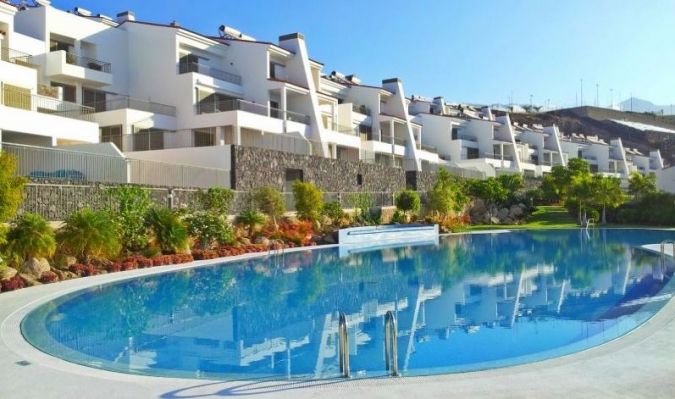
THE DEVELOPMENT AND ITS COMMUNAL AREAS ARE ABANDONED AND DETERIORATED
What happens when there is terrible neglect in a residential development, because hardly any owners live there, and the damage has been made worse by a clear lack of maintenance by the homeowners’ association, which cannot be attributed to or claimed from any of the parties involved in the construction (architect, quantity surveyors and insurers)?
Would the only option be to claim against the developer for breach of contract?
It is very difficult to prove (possibly because it is not true) that the defects are due to a breach of contract by the developer at the time (more than 4 or 5 years ago), especially when it is clear that the problem does not date back to when the homes were sold, but that the current problem is the lack of maintenance over all these past years (4 or 5 years since the works were completed).
The developer still owns 90% of the homes, that is, almost all of them, and its record in contributing to the development’s maintenance costs leaves a lot to be desired. But for a breach of contract action to succeed, that legal relationship would have to be analysed in its capacity as seller, not as an owner in the development.
Although at the time it was the seller, it is now the majority owner in the development; under the law, it is just one more owner, so the Horizontal Property Act (LPH) would apply to the claim for service charges, rather than contractual liability as seller.
And the developer, which apparently has no money, has abandoned the development and does not even pay the monthly service charges.
That said, given this situation, we will set out the options available.
The Horizontal Property Act states that work and repairs that are necessary for proper maintenance and for fulfilling the duty to preserve the building and its communal services and installations, including in all cases those needed to meet the basic requirements of safety, habitability and universal accessibility, are mandatory and do not require prior agreement by the owners’ meeting.
In other words, it is the homeowners’ association that must carry out the works.
And what happens if the homeowners’ association refuses (the developer being the majority owner) or does not respond, ignoring the claims of the owners who request the works, since the developer does not even attend the meetings?
In that case, one or more owners will be entitled to carry out the works themselves and then claim the cost from the homeowners’ association, BUT they must FIRST serve notice on the homeowners’ association.
The Supreme Court has held that the homeowners’ association will only have to reimburse the owner(s) who unilaterally carried out works in communal areas if a formal demand was first made to the secretary-administrator or the president, warning them of the urgency and necessity of those works. If no such formal demand was made, the homeowners’ association will be released from the obligation to pay the cost of those works. This applies whether there is one owner or several.
In our view, the way forward would be to find a company to quote for repairing the damage throughout the development, submit that quote to the owners’ meeting and try to have it approved so that the repairs can go ahead. Logically, the repairs would undoubtedly also benefit the developer that owns the homes, since it will be very keen to sell them, and given the current state of the communal areas, they present a deplorable image and are very difficult to sell.
If this does not work, the option would be to serve a formal demand on the homeowners’ association (on its president or administrator) by burofax (formal registered letter), in the terms described, and then commission the works, the cost of which must be paid by the homeowners’ association; if it refuses, a lawsuit can be brought for that amount.
In addition, with a view to any court claim against the developer, which owns almost all the flats, it is very likely to be heavily in debt to the bank that financed the development, so before bringing a claim against it you need to know exactly where you stand and proceed with great caution. Before doing so, you should look into and confirm the developer’s solvency through the Land Registry (Registro de la Propiedad), check whether it is in insolvency proceedings, and, through a company report, see whether it files its annual accounts and whether any incidents are recorded.
Any questions?