Types of dampness in dwellings
One of the most widespread and annoying problems in homes is damp. Almost 20% of the buildings in Spain suffer from this pathology. Damp is not only an unsightly stain on the walls and ceilings, giving the home a deteriorated, neglected and old appearance, but it can also harm the health of the occupants and, through oxidation, even affect the reinforcement and strength of the building’s structural elements.
Depending on its origin, dampness is classified into different types.
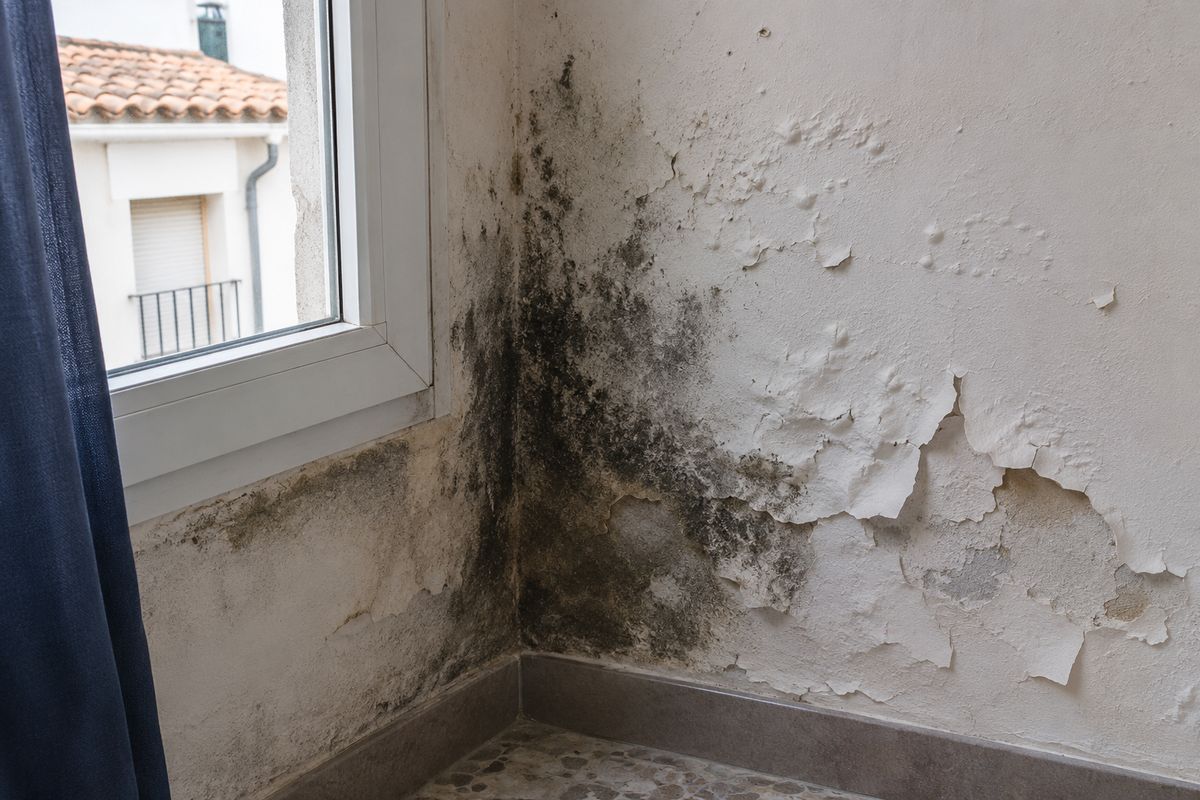
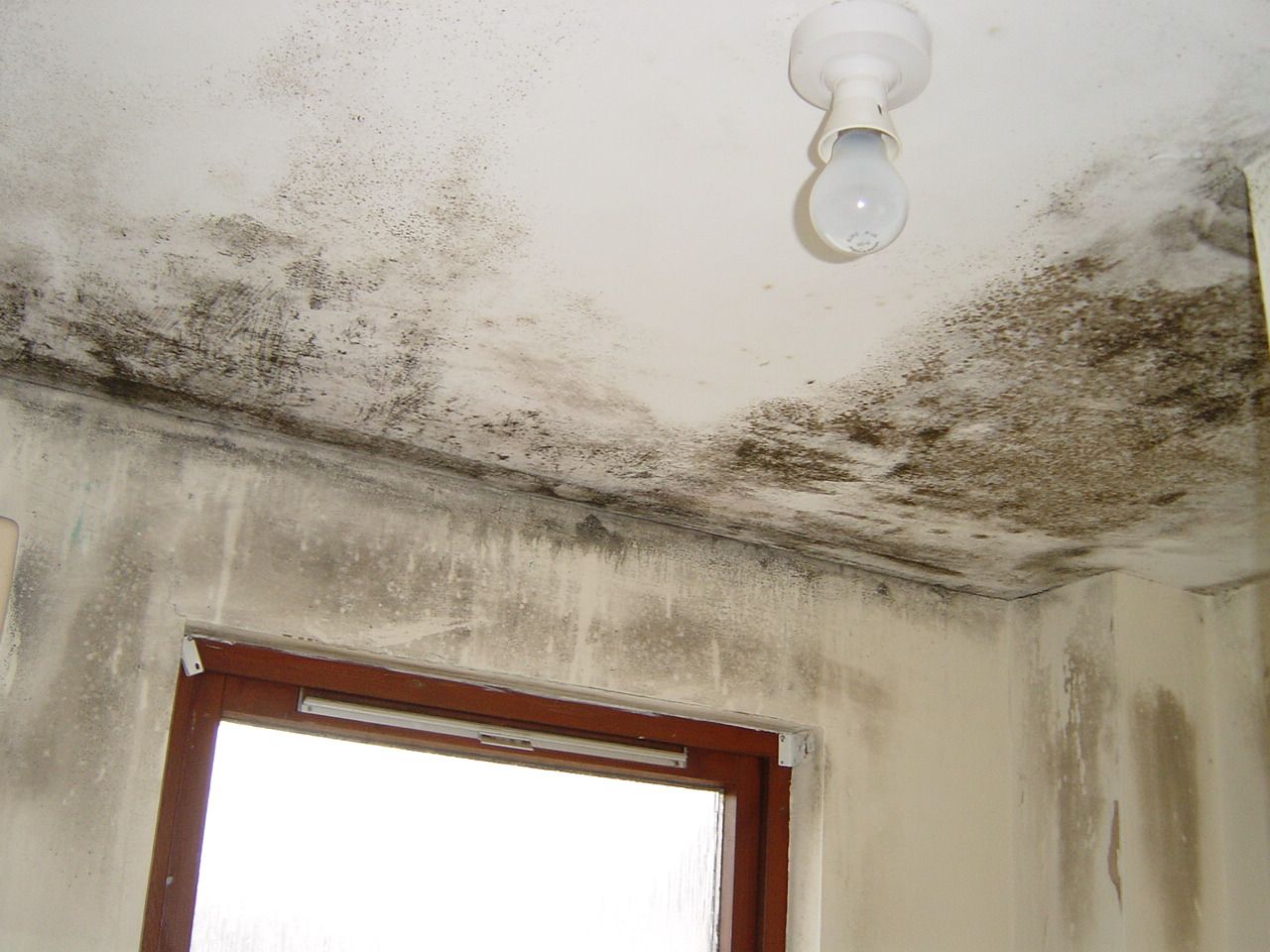
Condensation
The circular “spots” of mould or fungus that form on walls are symptomatic of condensation damp caused by thermal bridges in the building envelope.
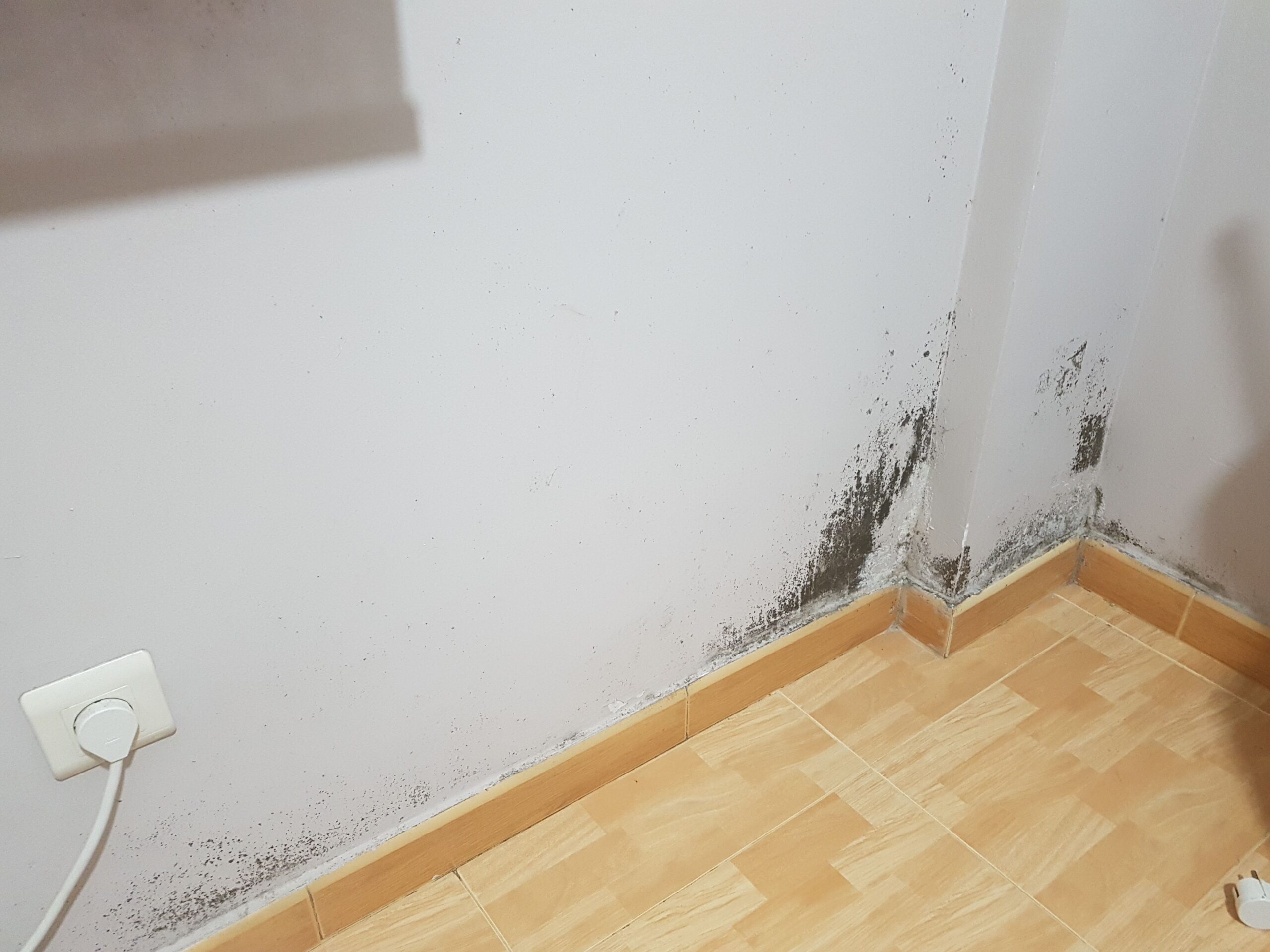
Rising damp
Rising damp in skirting boards and the wall-floor junction appears as dark, brownish stains that degrade both the appearance and hygiene of living spaces.
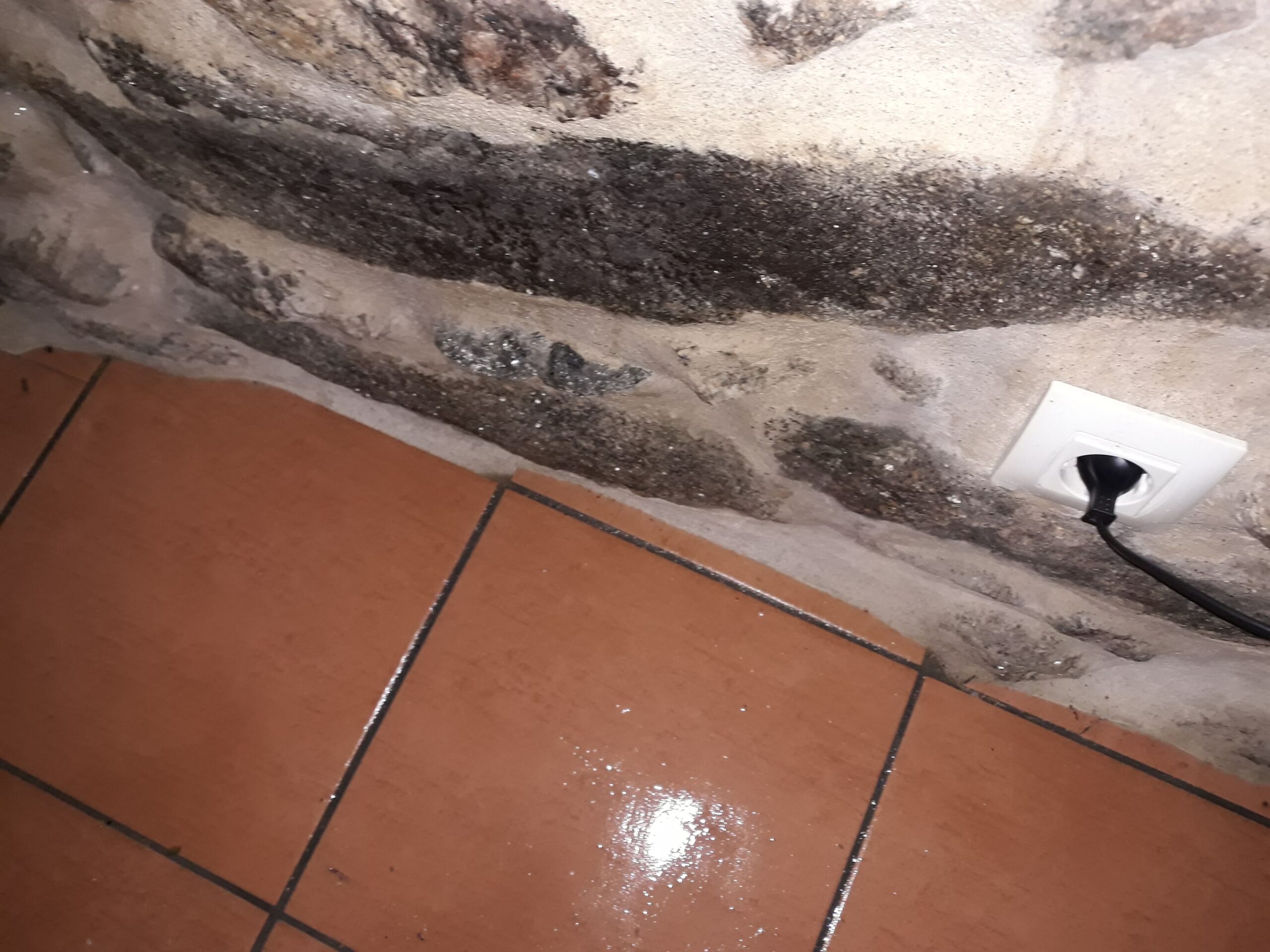
Water ingress
Water ingress through floor slabs can appear as damp patches on walls or even visible streams of water, and requires urgent repair.
Condensation
Mould or fungal growth, usually in the form of circular “spots”, is a sign of condensation damp and is due to the presence of thermal bridges.
Rising damp
Rising damp can be seen at the base of the wall and along the skirting boards where they meet the floor, as dark, brownish stains that spoil the rooms and undermine the healthiness and hygiene of the home for its occupants.
Water ingress
This occurs when water seeps through the floor slabs from top to bottom. It can show itself as anything from a damp patch on the wall to water literally spurting out.
Responsibility for dampness in buildings
The overwhelming majority of damp that appears in new dwellings is due to a lack of the waterproofing, insulation and watertightness measures that should have been provided for in the project, to defective execution on site, and to inadequate supervision by the technicians involved throughout the construction process.
It is common to hear that damp is due to poor maintenance, a lack of ventilation or a burst pipe, but most cases originate in a defect made during the construction process.
We can also find other damage in homes caused by poor construction, such as bad odours, air leaks, illegal parking spaces or poor acoustic insulation, among others.
Damp not only affects the appearance of the building but also directly affects the health and comfort of the home, and can even harm the health of its occupants. A damp room degrades the air we breathe and can damage our respiratory tract, especially if we already have a respiratory condition.
Moisture can also corrode the structural elements of a wall and rust the reinforcement of a slab, which can also compromise the stability and safety of the building.
Most frequent dampness in dwellings
The most common types of damp in dwellings are rising damp, water ingress and condensation damp. The owners are not responsible for the damp and should not bear the cost of repairing it.
Reject the usual answers given by developers and builders: that condensation damp is due to poor ventilation by the owners, that rising damp is due to water ingress caused by the latest rains, and that water ingress is due to a neighbour having left a tap running.
Unfortunately, it is very common nowadays to suffer from damp in newly built dwellings, mainly because of poor construction. The most frequent type in new buildings is condensation damp. It appears as mould stains and condensation droplets in the corners of bedrooms and on window frames, because the walls were not properly insulated during construction to avoid thermal bridges. As the temperature difference is transmitted from the outside, moisture droplets condense on the cold walls, forming this annoying damp.
If you have any questions, please contact us.