Cracks in the walls of a building —façades, external enclosure walls, basement walls or boundary walls— are more important than they look. As well as spoiling the appearance of the building, they open a way in for water, air and cold, and over time they can lead to damp, render coming away and loss of insulation.
Not all wall cracks are the same: some stay in the render and others go right through the masonry. Identifying their type, their cause and whether they are still active is a job for a specialist expert, and it is the starting point for claiming the repair from the developer or the building contractor.
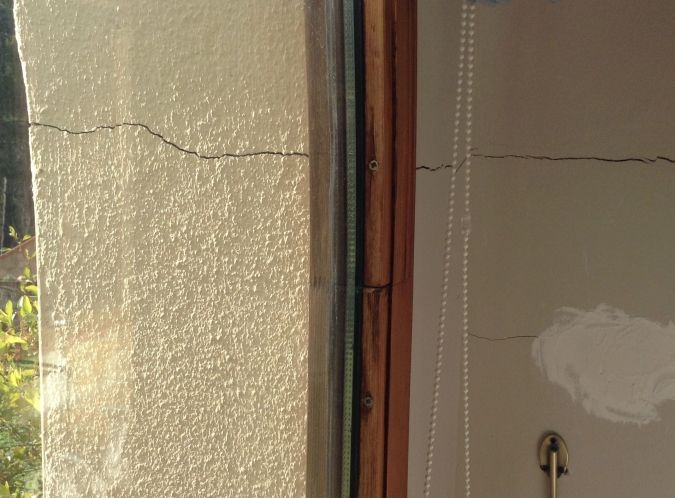
Causes of cracks in walls and façades
- No expansion joints. Long façade walls need joints to absorb thermal movement. Without them, the masonry cracks vertically at regular intervals.
- Corners of openings. Diagonal cracks starting at the corners of windows and doors are caused by stress concentration or by inadequate lintels.
- Slab edges. A horizontal crack at every floor level usually means the façade was not separated from the floor slab, or that the slab moves and pushes against the external wall.
- Poorly applied renders. One-coat renders and mortars applied without mesh, with uneven thickness or in unsuitable weather develop map cracking.
- Soil pressure and damp in basement and retaining walls without waterproofing or proper drainage.
- Different materials joined together (brick, block or concrete) without treating the joint.
Crack in the render or structural crack?
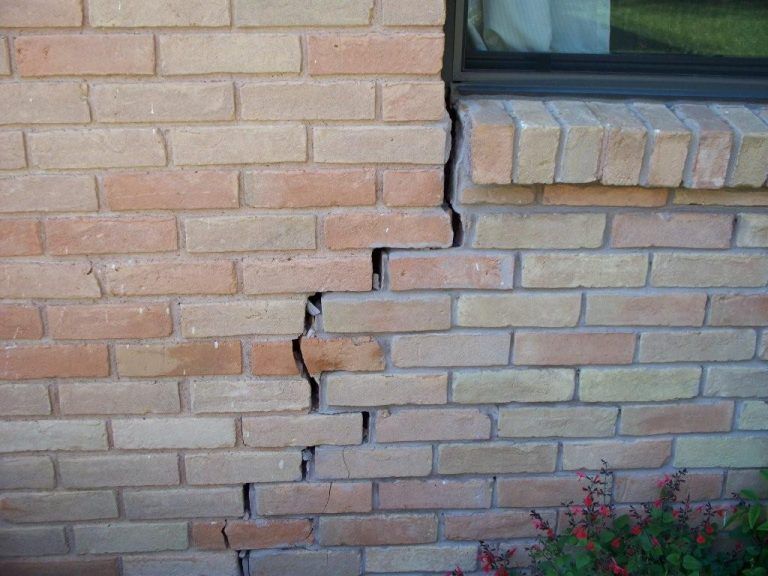
A fine crack in the render is usually a habitability or finish defect. However, you need to act urgently if the opening goes right through the wall, follows the brick joints in a stepped pattern, gets wider over time or appears in a load-bearing wall: it could be differential settlement or a foundation problem.
If damp stains also appear inside the home, water is already getting in through the crack, and the damp should be claimed for together with the crack.
You can find more information in our article on cracks in walls.
Time limit for claiming wall and façade cracks
If the cracks are caused by a defect in the building elements that affects the habitability of the home, the parties involved in the construction are liable for 3 years from the handover of the works (article 17.1.b of the LOE). If they only affect the finishes, the building contractor is liable for 1 year, and if they have a structural cause the guarantee is 10 years.
Once the damage has appeared within those periods, you have 2 years to bring legal action (article 18 of the LOE). Against the developer who sold the property, there is also a contractual liability claim, with a five-year time limit. If you have doubts about your case, contact us as soon as possible: the time limits run from the moment the damage appears.
How to claim for wall cracks
- Take dated photographs of the cracks with something for scale (a ruler or a coin) so you can compare how they develop.
- Commission an expert report: the expert will measure the cracks, fit tell-tales if necessary and establish their cause and the cost of repairing them.
- Send a formal demand (burofax) to the developer and the building contractor asking for the repair.
- If no agreement is reached, our lawyers file the claim with the report as the key evidence.
Façades and boundary walls are communal elements: if the cracks affect the whole building, the claim is usually brought by the homeowners’ association.
Have cracks appeared in your home?
A DPCON expert architect will inspect the cracks, find out what is causing them and tell you whether you can claim for them, and from whom.
Other types of cracks
See also the other types of cracks we claim for:
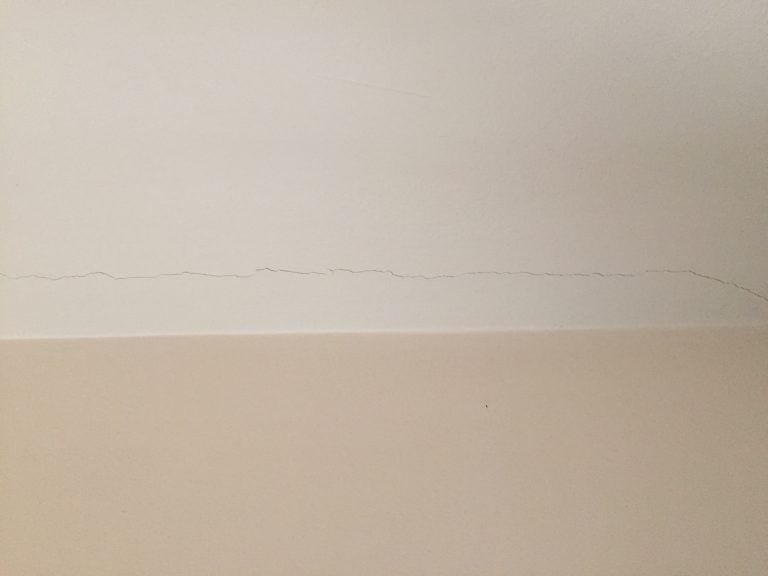
Horizontal cracks in walls
Straight lines along partition walls, near the ceiling, the skirting or where materials meet.
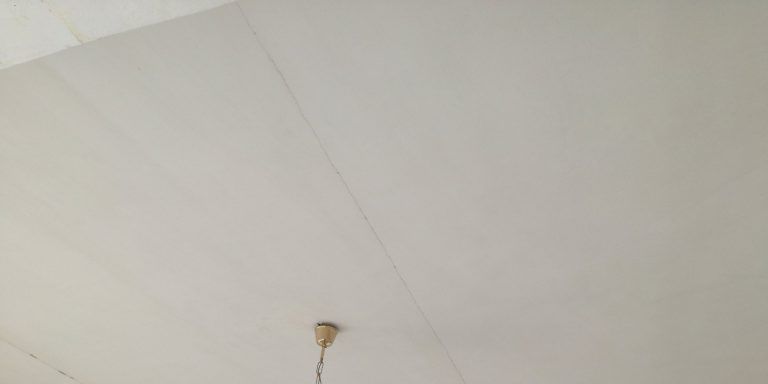
Ceiling cracks
Cracks caused by slab deflection, in plaster ceilings and in plasterboard false ceilings.