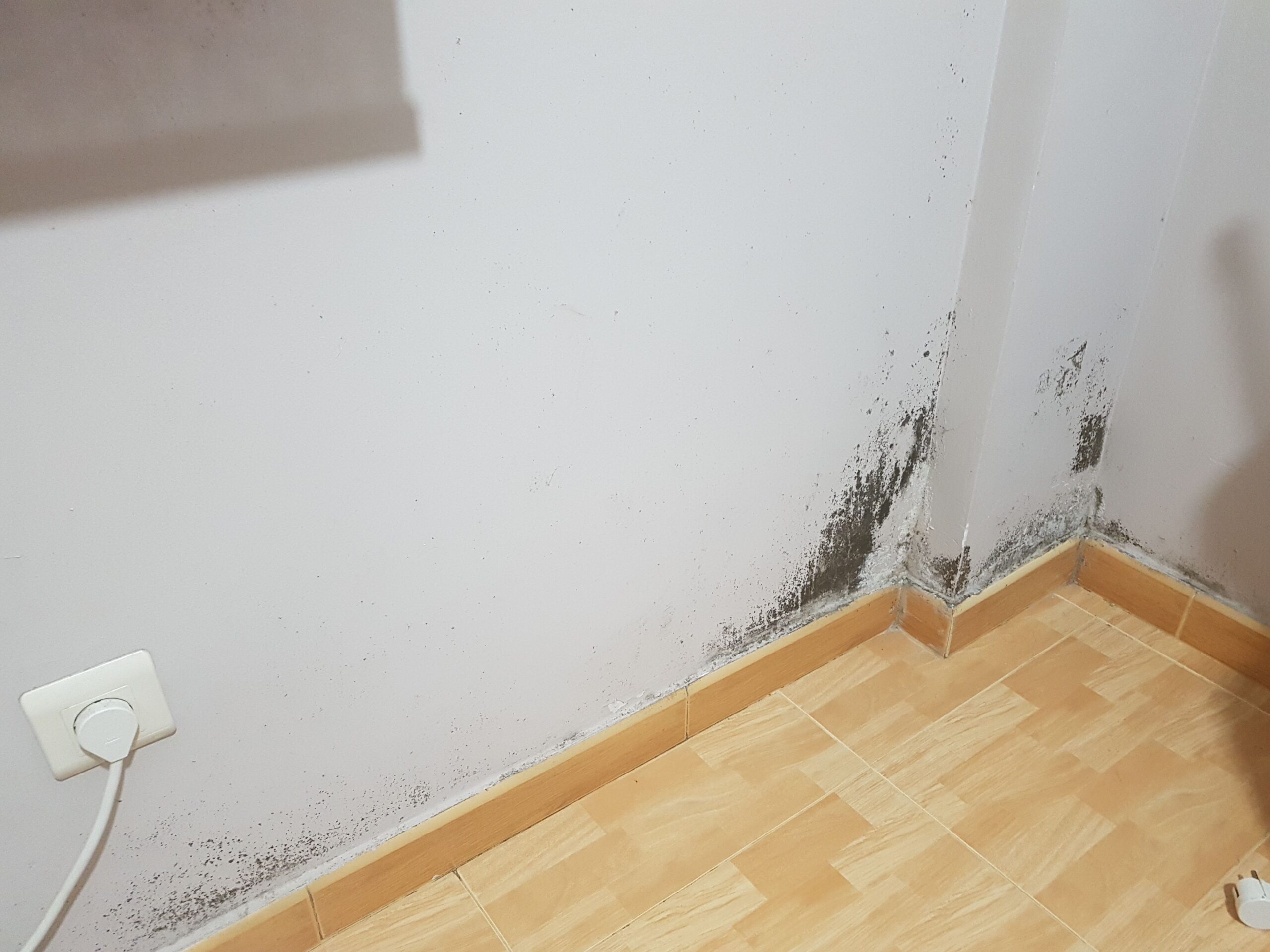
Rising damp is moisture that rises from the ground upwards and affects the interior of the dwelling through the pores of the walls and of any porous building material, via the so-called capillaries. This capillary absorption is similar to what happens when a paper napkin is stood vertically in a shallow layer of water on a horizontal surface.
This is another very annoying habitability defect that can occur in a newly built dwelling, and it should be claimed for.
How to claim for rising damp in dwellings
To claim for rising damp, the first step is for an expert to inspect the damp, identify its cause and origin, propose a technical solution with a repair estimate, and issue a precise expert report. Once the origin and causes of the damage have been determined and liability established, a claim can be made against the developer, the builder or the site management team as those responsible for the damp.
On the basis of this expert report, a formal demand is sent to those responsible. If they do not comply, legal proceedings are started. They must be brought in the judicial district where one of the defendants is domiciled. They are normally ordinary proceedings, as the amount exceeds €6,000, so (unlike verbal proceedings) they are held in two stages, a preliminary hearing and a trial. First-instance proceedings take on average about 10 months to 1 year to be resolved.
Liability for rising damp
The expert report will determine the cause of the rising damp, and depending on the origin of the damage, liability can be assigned among those involved in the construction. In the construction process this pathology may have been caused by an execution defect on the part of the builder, for example when fitting a plinth or a lateral waterproofing mesh to protect these elements from moisture, or by a lack of provision in the project or of supervision of this work by the site management team.
Depending on the cause of the damage determined by the expert in the report, liability can be claimed against the surveyor, the builder or the developer of the works, as the law provides a legal guarantee under which those involved in construction must answer for their wrongdoing.
Claim deadlines for rising damp in buildings
Rising damp, as damage affecting the habitability of dwellings, has a guarantee period of 3 years, as established in Article 17.1.b of the Spanish Building Act (LOE):
(b) Three years, for material damage caused to the building by defects in the construction elements or installations that result in non-compliance with the habitability requirements in paragraph 1(c) of Article 3.
Once the problems have appeared within the guarantee period and a report has been issued or the responsible parties have been served with a demand, there is a period of 2 years to bring a lawsuit under Article 18 of the LOE.