How to act against structural damage
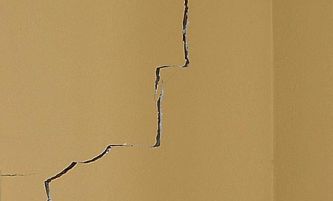
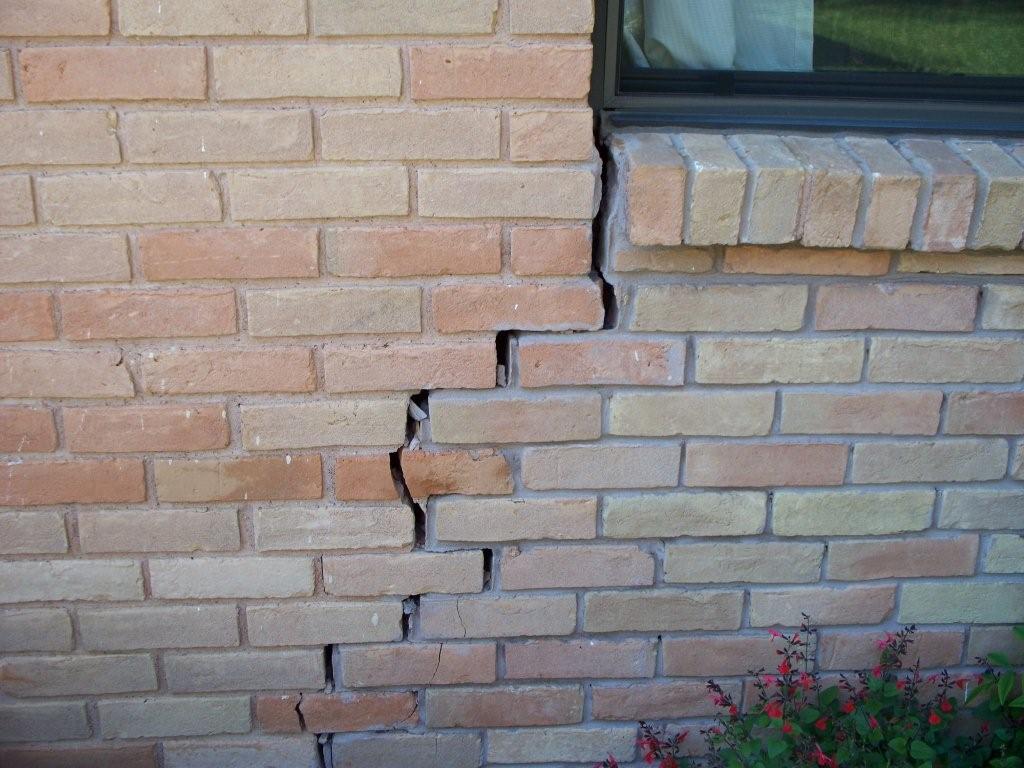
When cracks appear in a house, alarm bells should ring, especially if they are stepped or diagonal in shape, or if they are visible in pillars and walls on the lower floors, because they may be structural damage.
You should know that, under the Spanish Building Act (LOE), structural safety is a basic requirement of a building (the most important one). Article 3, section b.1 in particular sets out the obligation to guarantee structural safety, so that no damage occurs in the building, or in parts of it, that originates in or affects the foundations, supports, beams, slabs, load-bearing walls or other structural elements, and that directly compromises the mechanical strength and stability of the building.
The best course of action is to have the property assessed by an expert in building pathologies. This expert architect will determine the seriousness and importance of the damage, as well as the most appropriate repair proposal and the cost of that repair or the compensation due.
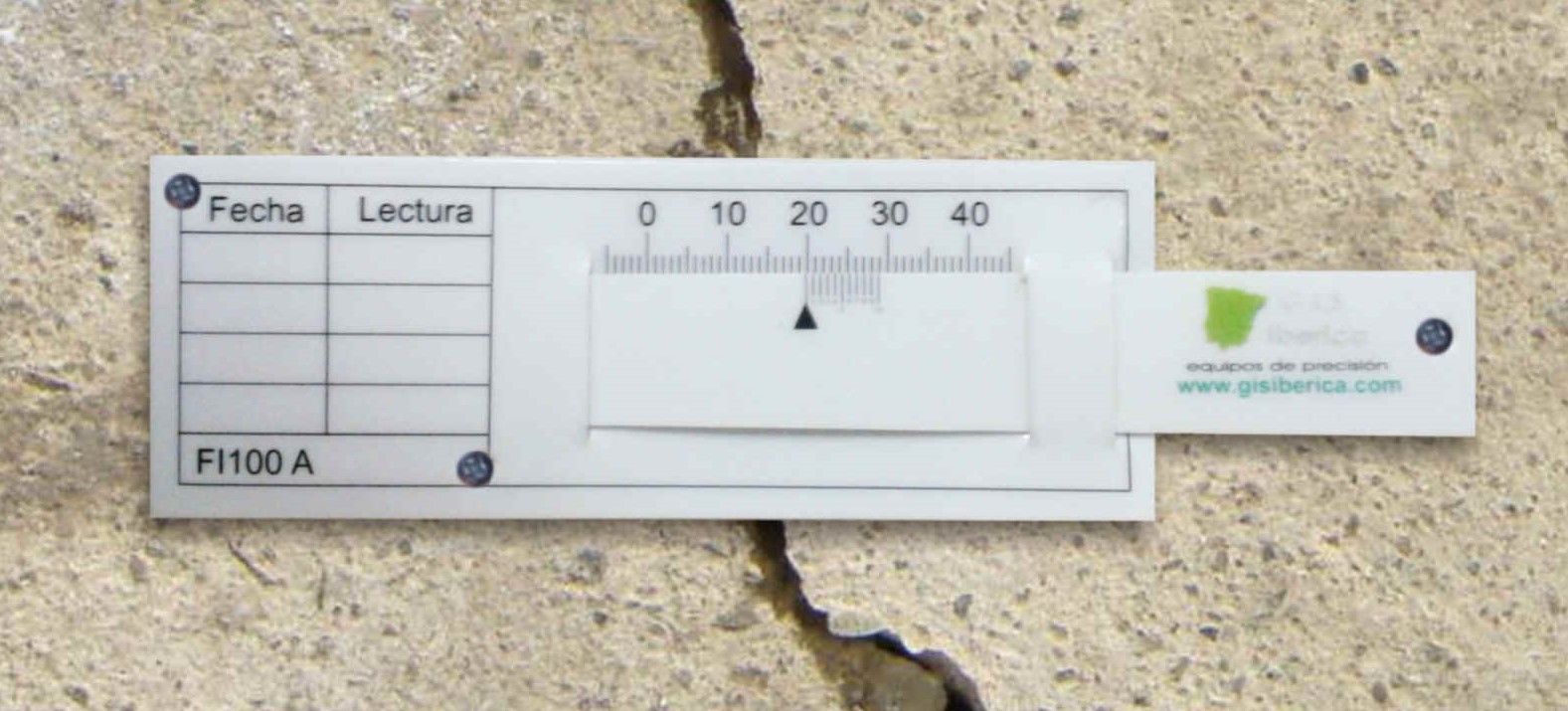
Cracks may or may not have stabilised, so it is best to monitor how they develop. To see whether cracks are still growing and moving, they should be monitored over time. In very severe cases, propping or even evacuation of the building may be recommended.
The solution to such defects is usually repair of the affected elements, injection of resins under the foundation to stabilise it, or the installation of micropiles.
In any case, as a specialist expert should determine, you should not ignore this damage or put off claiming for structural damage to your property. Doing so may not only forfeit your right to compensation but also endanger the integrity of your home and the safety of its occupants.
Types of structural damage
Structural damage is damage that originates in or affects the foundations, supports, beams, slabs, load-bearing walls or other structural elements, and that directly compromises the mechanical strength and stability of the building. Under the LOE there is a guarantee period of 10 years to claim for this type of damage. Specifically, article 17.1 a) of the LOE establishes the liability of the possible responsible parties for ten years for material damage caused to the building by defects affecting the foundations, supports, beams, slabs, load-bearing walls or other structural elements, and directly compromising the strength and stability of the building.
Have another problem?
Structural damage to dwellings
In single-family houses, the appearance of cracks must be monitored with particular care. For self-built homes, check whether a geotechnical study was commissioned, what it said about the ground and what type of foundations it recommended, as its recommendations may not have been followed faithfully.
If the dwelling is semi-detached or terraced, the inspection should be extended to the adjoining dwellings, as they may share a foundation and the problem may affect both.
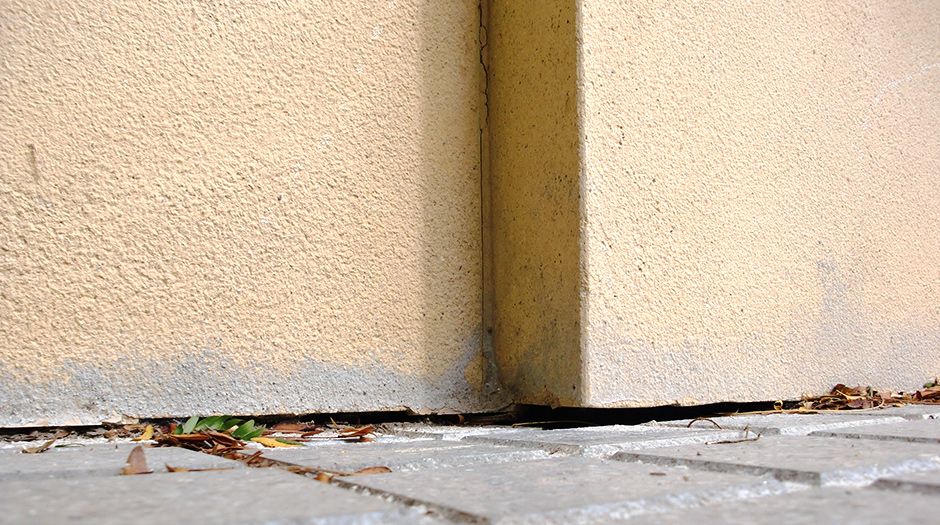
Such damage may be due to an inadequate foundation, a design defect, a problem with the water table, or differential settlement.
All our experts specialise in building pathologies and have the experience to ratify and defend their reports in court. It is no coincidence that most of our experts are also court-appointed experts: in addition to working for our company as party experts, they are on the lists of the courts, which call on them to act as objective experts in other proceedings, so they have proven courtroom experience. Please contact us.
Structural damage to buildings
If cracks appear not only in your home but throughout the rest of the building, and are widespread in all the dwellings and communal areas, it is probably due to a design defect or foundation failure.
As a general rule, the most affected dwellings tend to be those on the ground and top floors. However, depending on the construction defect, the damage can be more or less widespread across all the dwellings in the homeowners’ association.
If your homeowners’ association has this type of damage, it is best to report the problem to the association’s president and/or the property administrator, and to agree on measures together.
You should contact an expert who specialises in structural defects. The expert will visit the property and, after the appropriate checks and monitoring of how the damage develops, will assess the measures to be taken, the origin of the damage, the repair proposal and its cost. Afterwards, in the light of the data in the report, a claim against those responsible will be considered, depending on who is responsible for the origin of the structural damage, in order to bring the appropriate legal action.
We can help you with all the steps to be taken. In both buildings and dwellings we may also find habitability damage and damage to finishes.