Habitability defects are the damage covered by the Spanish Building Act (LOE) that compromises the acceptable conditions of healthiness and watertightness, protection against noise, energy saving and thermal insulation in homes, and any other functional aspect of the building elements or installations that allows satisfactory use of the building.
Specifically, article 3, section c) of the LOE sets out the basic requirements of the building relating to habitability:
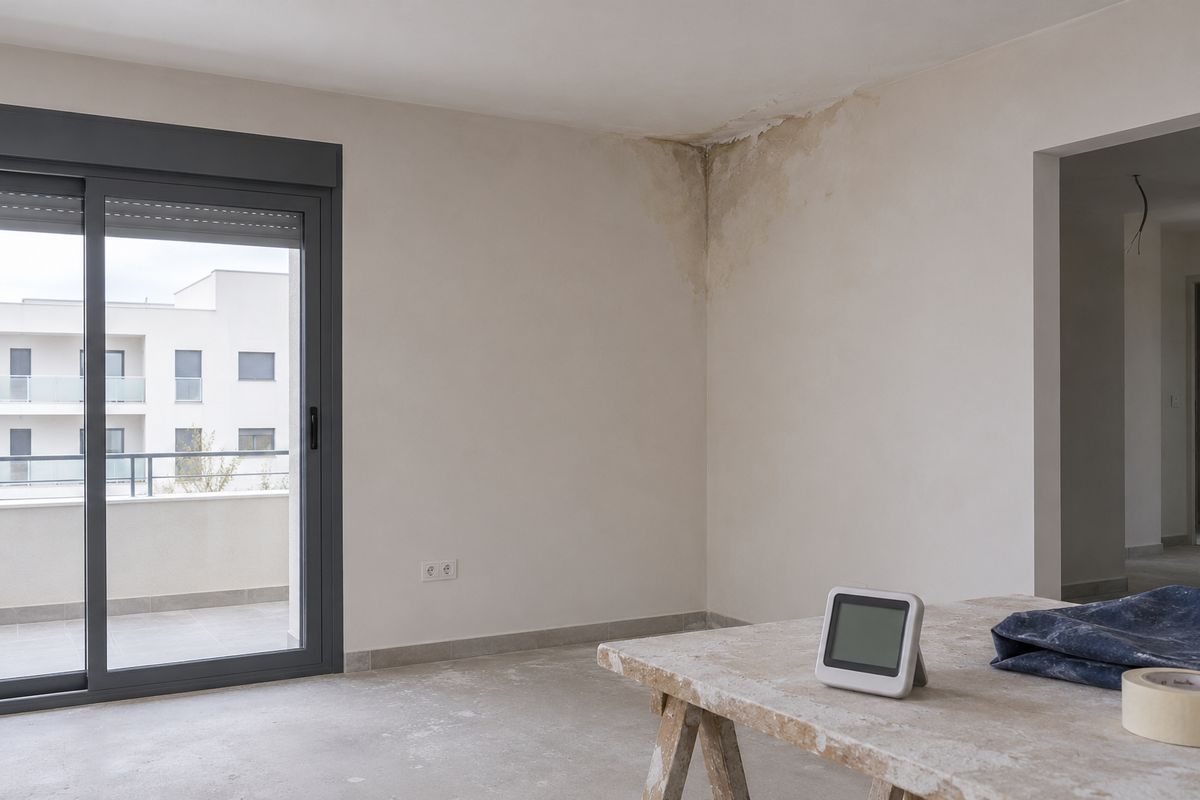
c.1) Hygiene, health and environmental protection
So that acceptable conditions of healthiness and watertightness are achieved inside the building, the building does not damage the environment in its immediate surroundings, and all types of waste are properly managed.
c.2) Protection against noise
So that the noise perceived does not endanger people’s health and allows them to carry out their activities satisfactorily.
c.3) Energy saving and thermal insulation
So as to achieve a rational use of the energy needed for the proper use of the building.
c.4) Other functional aspects
Of the building elements or installations that allow satisfactory use of the building.
Defects in homes caused by habitability damage
Habitability damage reduces the quality of life in the place where we live.
A newly built home has to offer exactly what we buy, and we should not have to accept that it has a number of inherent defects, which can never be justified as “normal”. Habitability does not simply mean “habitable” in the literal sense: it means being able to live properly in the home with minimum standards of comfort.
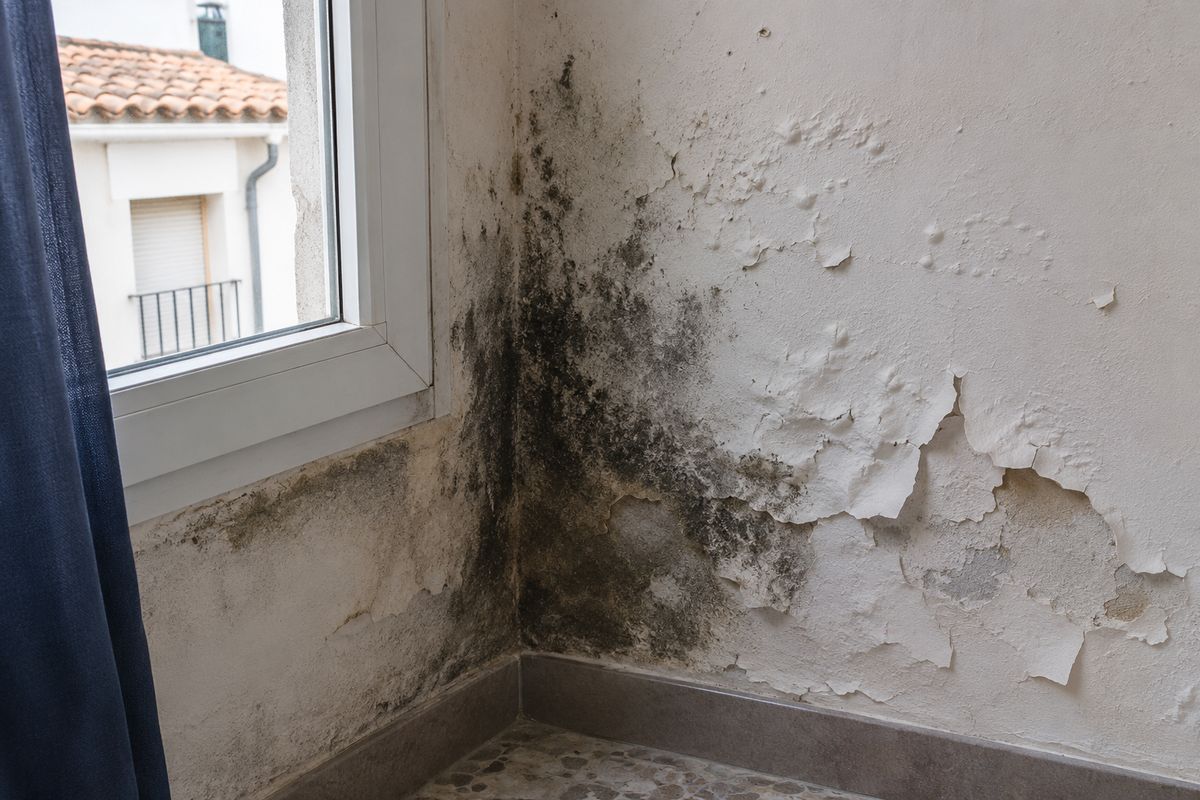
Damage that can in any case be claimed for therefore includes damp, cracks, bad smells, noise (from poor acoustic insulation), air infiltration, and problems with access to and the functionality of garage spaces.
3 years
Guarantee period under the LOE
What to do
After commissioning an expert report, and once the cause of the damage and who is liable have been determined, we must require the architect, quantity surveyor, builder or developer to respond, according to their liability, within the guarantee period granted by the Spanish Building Act (LOE).
DAMP, BAD SMELLS, NOISE AND INSULATION
Bad smells
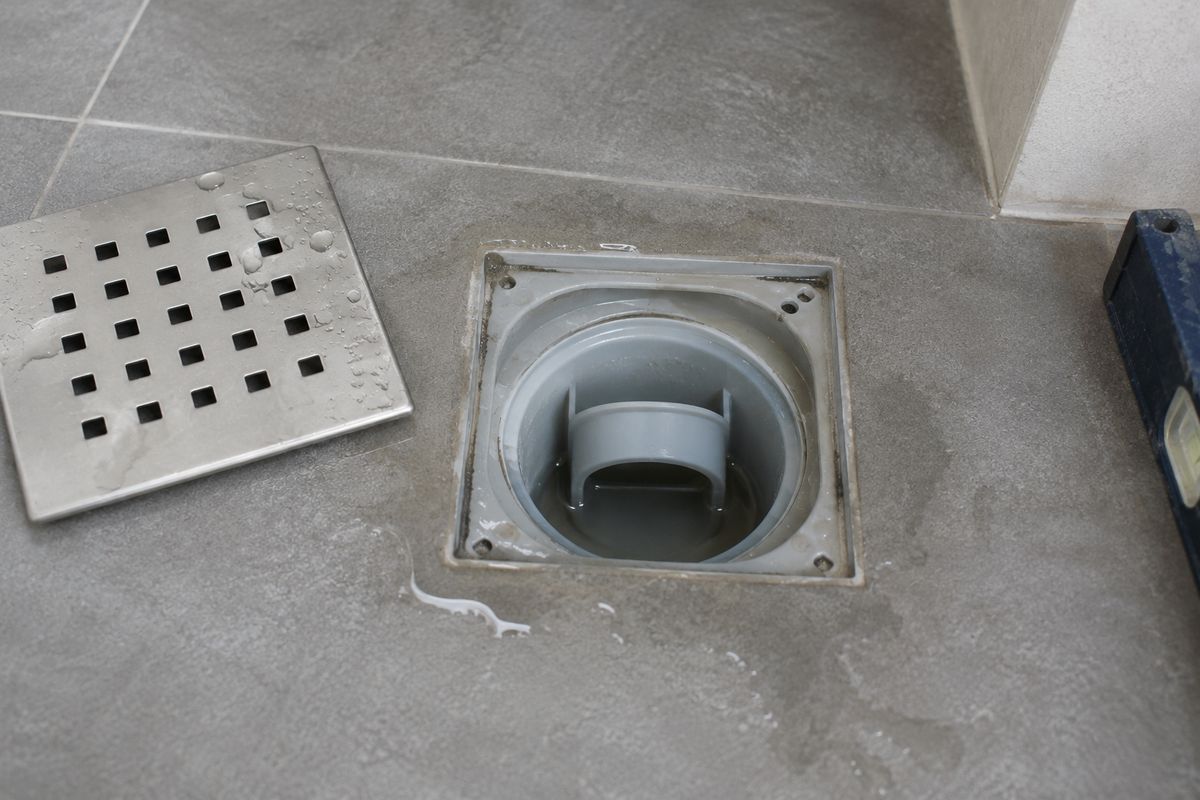
We do not have to tolerate external odours that affect our home because of a construction defect.
Garage spaces
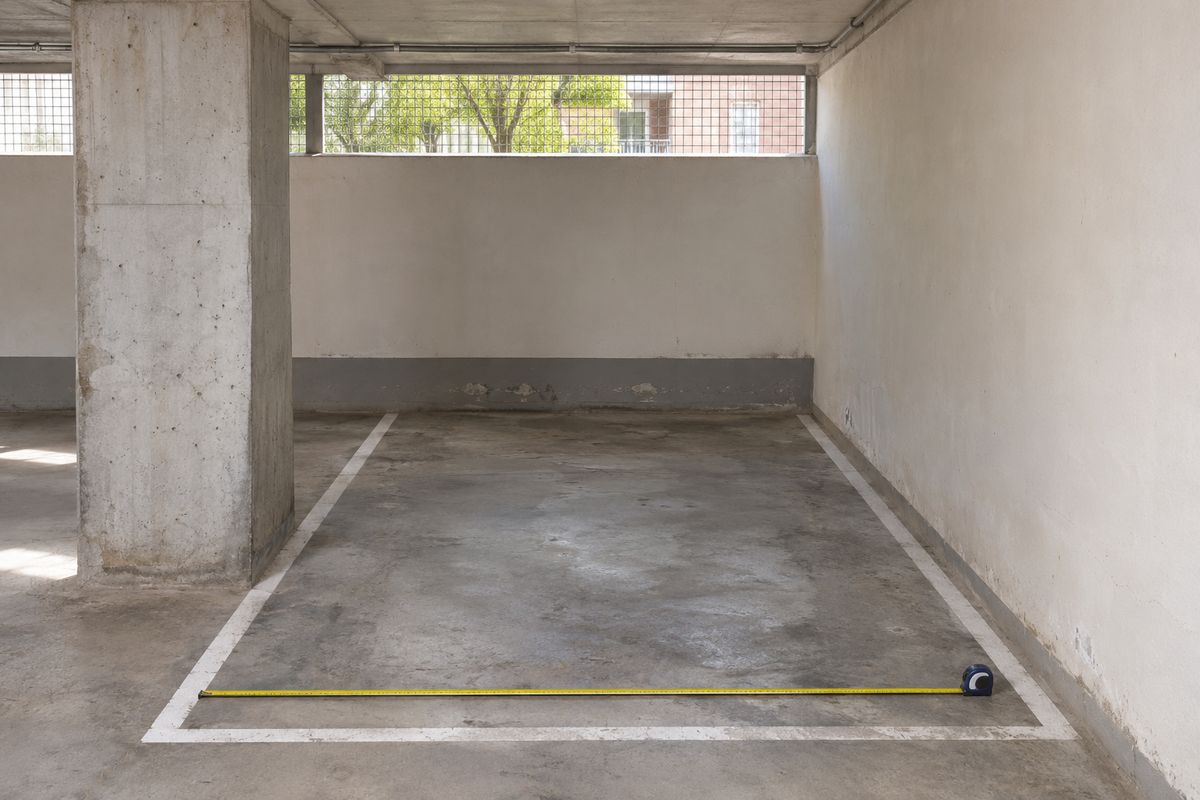
Parking spaces that are not fit for use, forcing owners to make complicated, repeated manoeuvres in order to park.
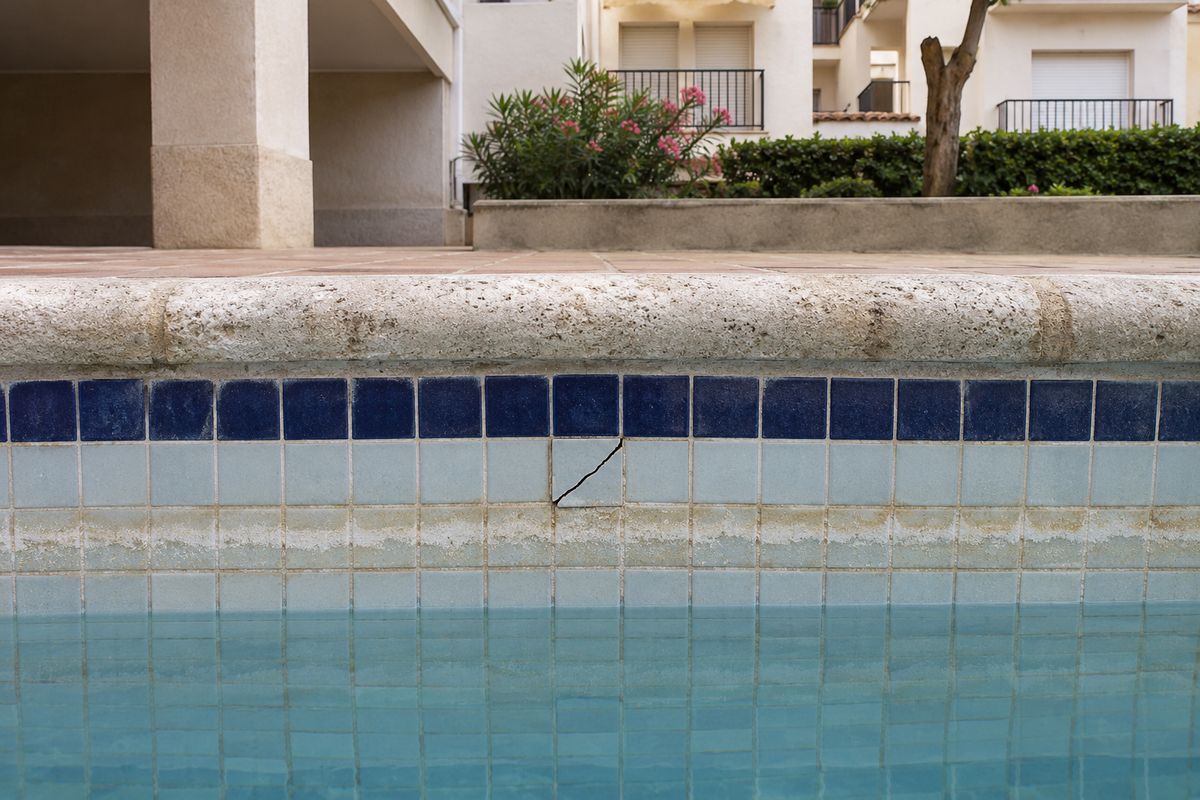
Swimming pools
Water loss due to breakage, cracks, hairline cracks, or a tilting or sinking pool caused by differential settlement.
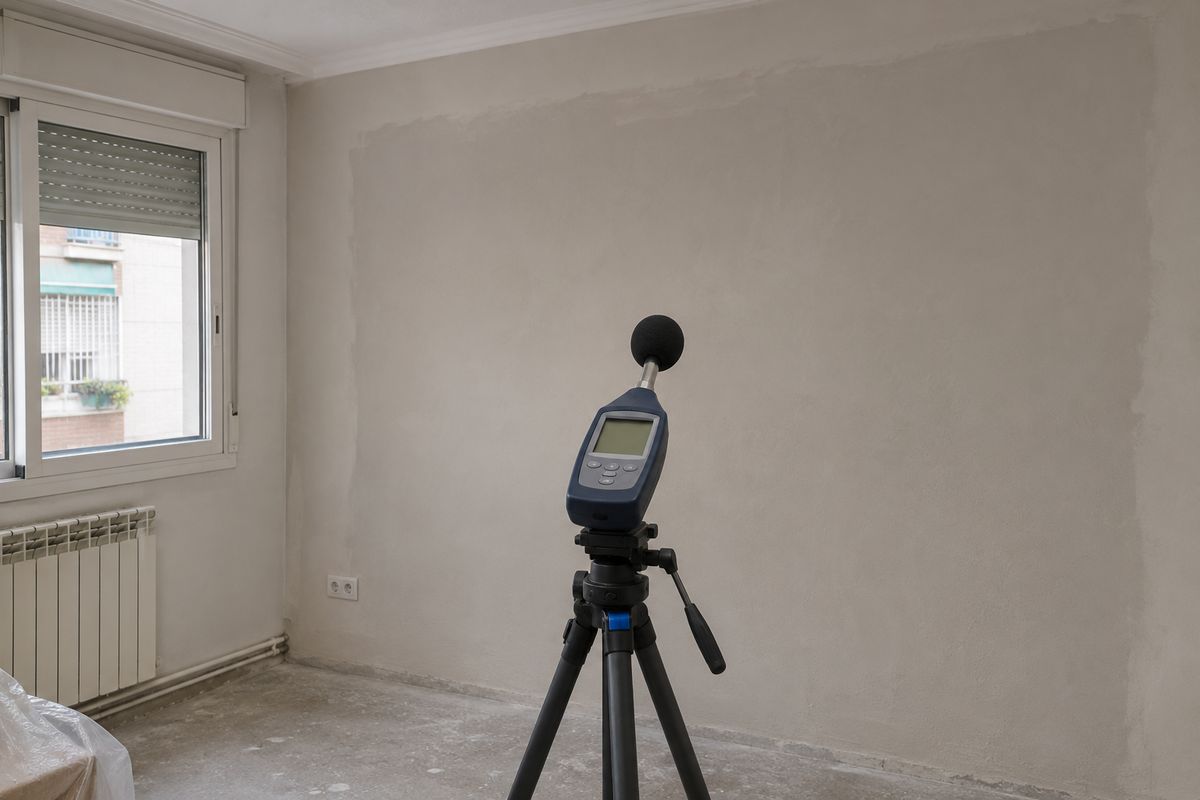
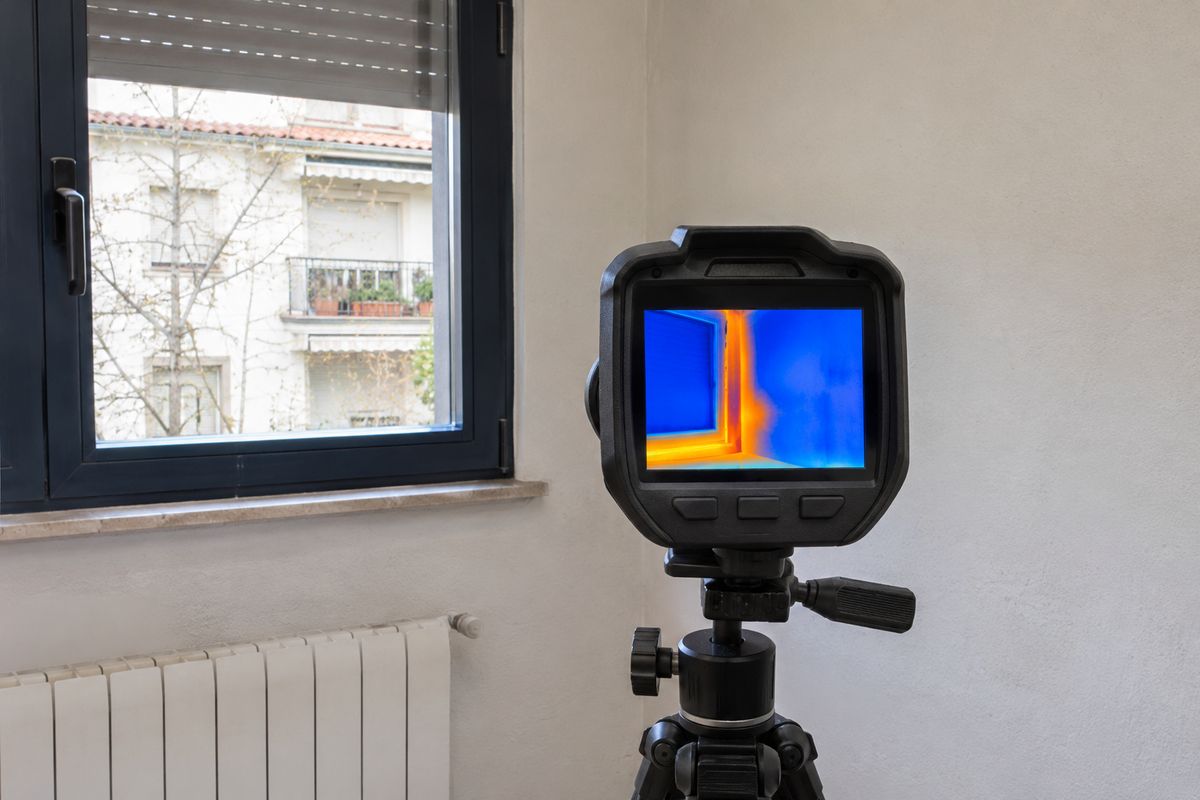
Thermal insulation
Good thermal insulation not only prevents damp in walls and ceilings but also brings a significant energy saving.
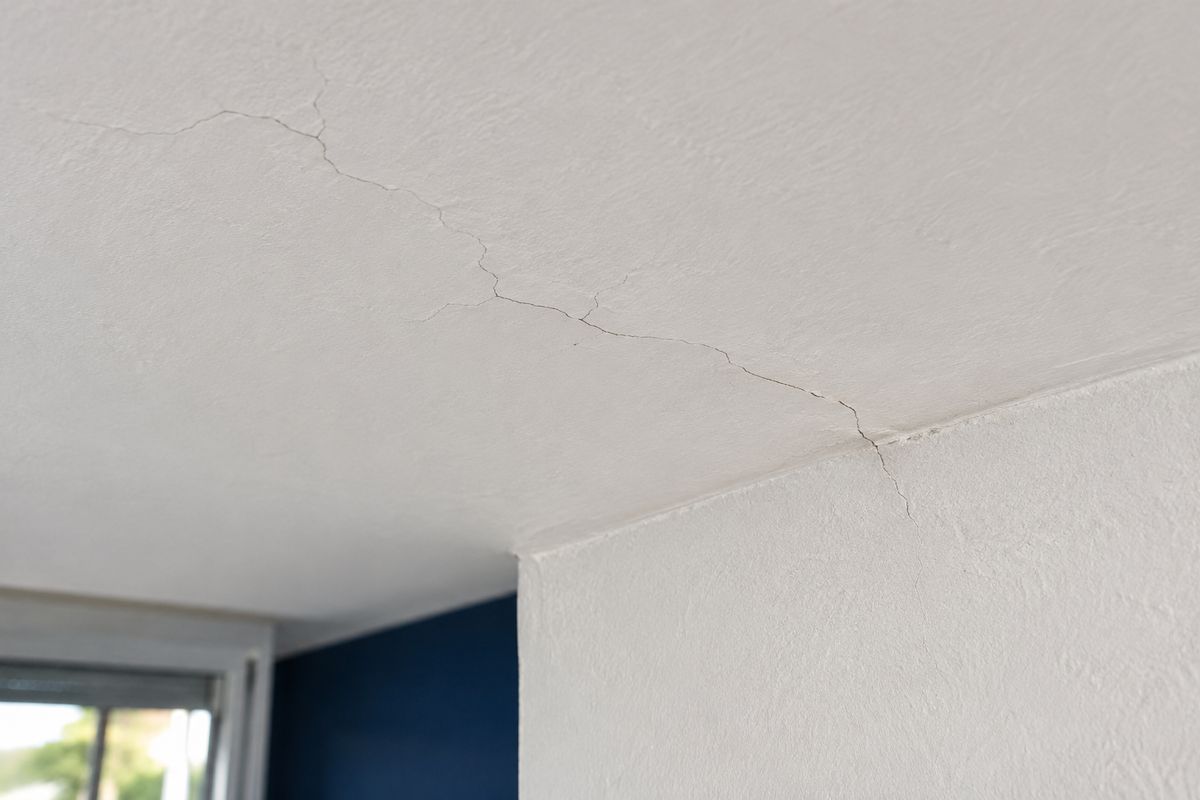
Hairline cracks
Cracks that do not affect the safety or levelness of the building, but do affect its habitability and appearance.
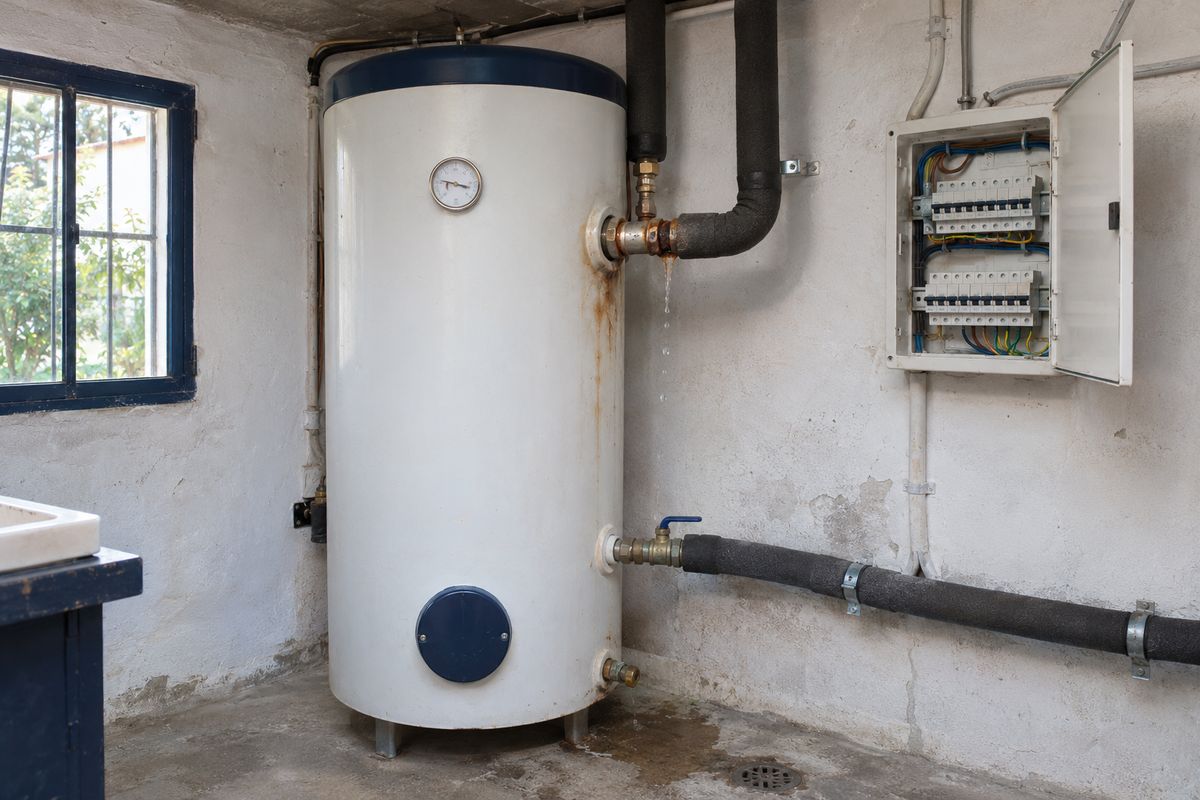
Installations
An expert examines the complete installation of your home: whether it complies with regulations and whether everything works efficiently.
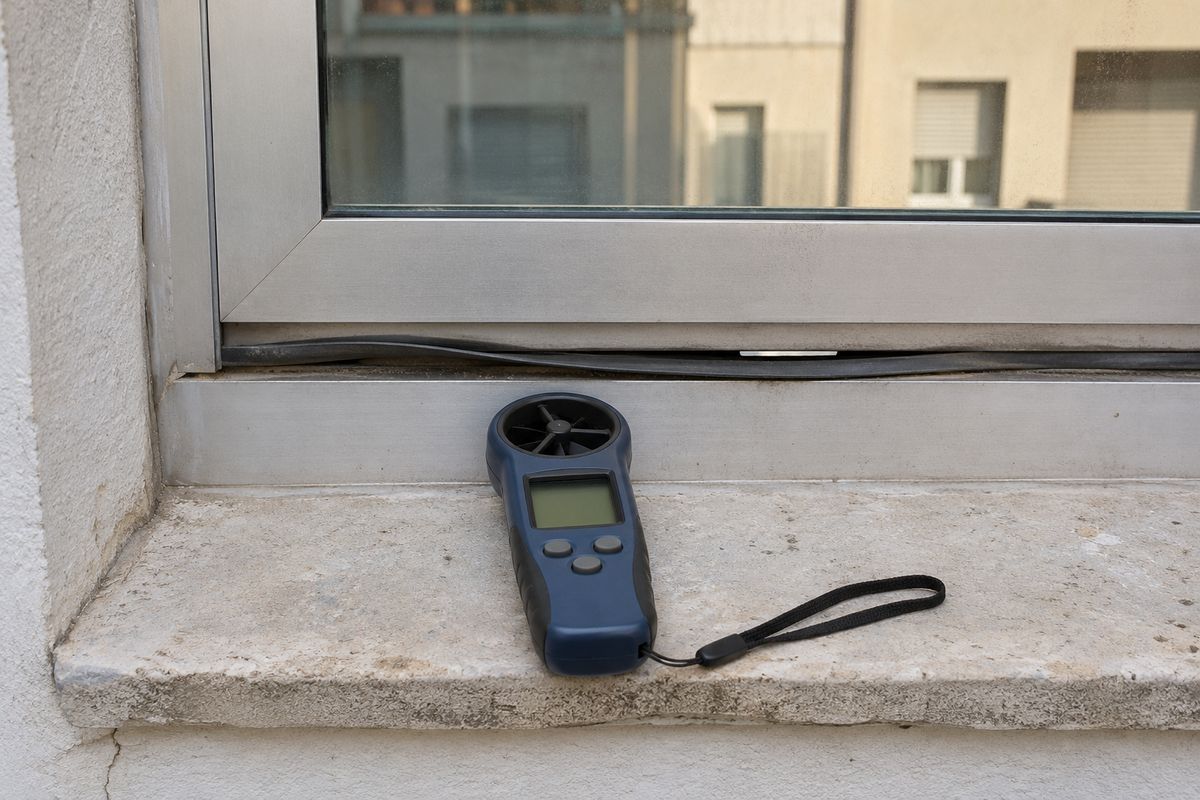
Air infiltration
Air ingress due to defective execution or installation of the window, the shutter box, the sealing, etc.
Habitability damage in homes
The expert architects at DPCON S.L. can check the condition and quality of homes and produce an exhaustive expert report, verifying whether they meet these habitability, functionality and accessibility requirements. If they do not, our legal department will claim for these construction defects from those responsible.
You are entitled to enjoy your home properly, without having to put up with damp, cold or smelly rooms. We also handle claims for structural damage and for damage to finishes, in both homes and buildings.
The owner has the right to be compensated for deficiencies, damage and defects in the property. You do not have to settle for a home that is cracked, damp, smelly, noisy or poorly insulated: under current legislation, all of these problems can be claimed for and compensated.
Habitability damage in buildings
A newly built building or homeowners’ association development must meet the basic habitability requirements: the minimum standards of hygiene, health and environmental protection (with all types of waste properly managed), the minimum requirements for protection against noise (you should not be able to hear what the neighbours are doing next door), and appropriate measures for energy saving and thermal insulation.
Habitability damage is not usually detected when the property is handed over; it is noticed once the property is occupied, after some time. With the arrival of winter, for example, you may notice condensation damp on the walls, heat loss in rooms, problems with the installations, a lack of acoustic insulation and so on. At first these may not be very bothersome, but after a while they can become a serious problem, damaging the comfort of our home and undermining its habitability.
That is why it is important not to let them go: call an expert specialising in building pathologies to prepare an expert report that records all the habitability defects detected, proposes a repair and gives a cost valuation, so that a claim can be made against those responsible.
If you have any of these problems, please contact us.