What to do about construction defects
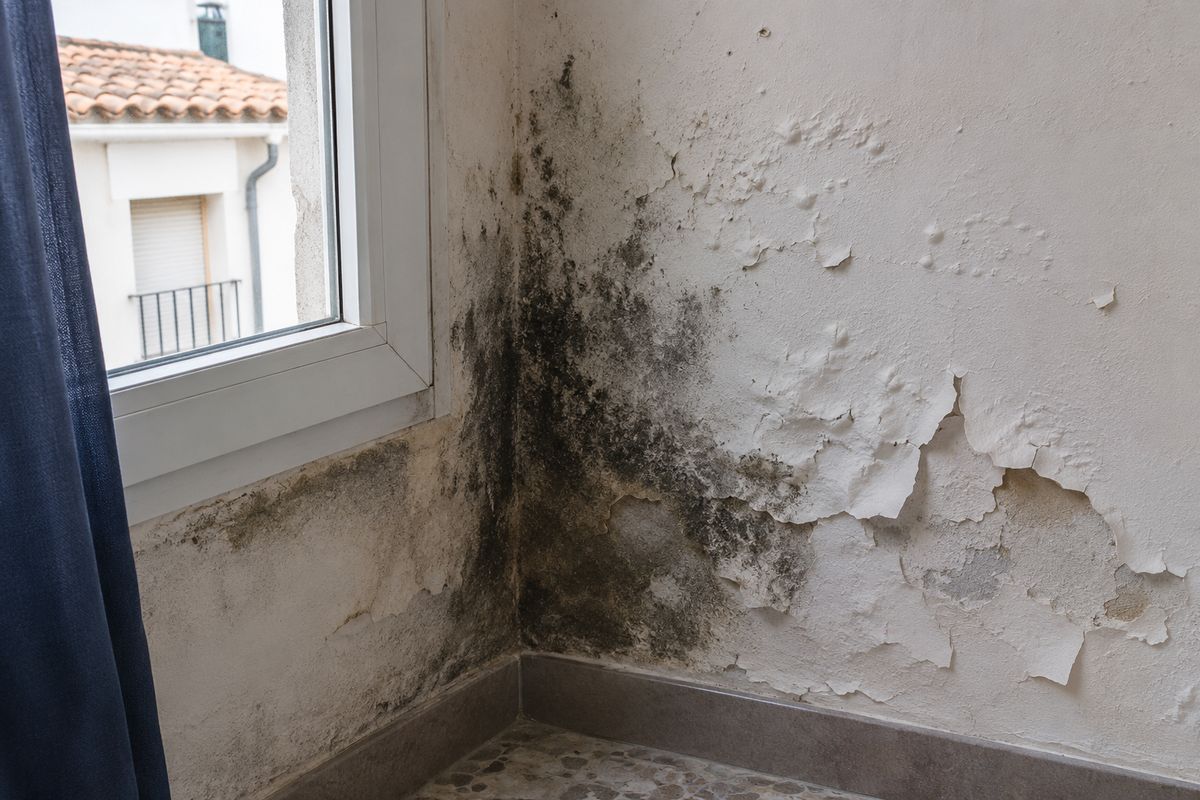
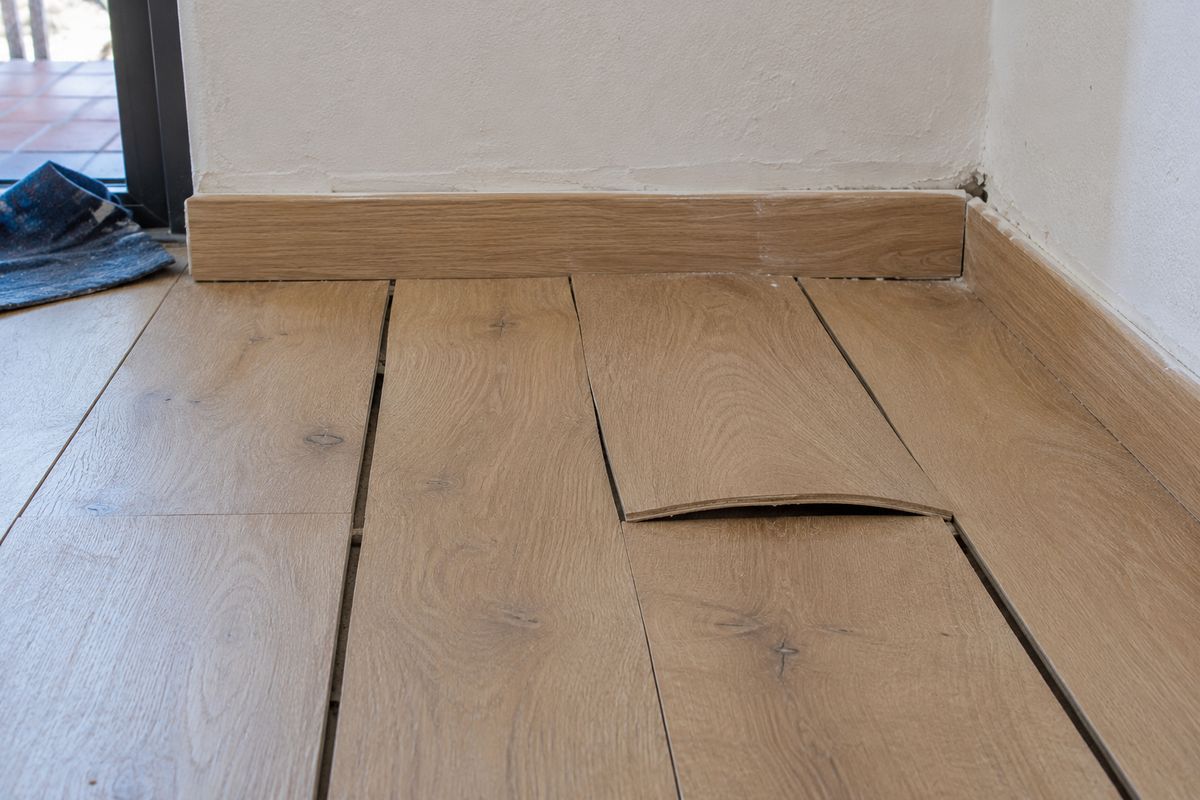
Cracks in the walls, damp that will not go away, leaks in the garage, flooring that lifts or insulation that does not meet the standards. When a newly built home or building has construction defects, the owner —or the homeowners’ association— is entitled to have them repaired or to be compensated by those who took part in the construction.
Construction defects are damage that appears in a building because of design errors, poor workmanship, unsuitable materials or inadequate site supervision. The Spanish Building Act (Ley de Ordenación de la Edificación, LOE) sets out who is liable for them and for how long, depending on how serious they are.
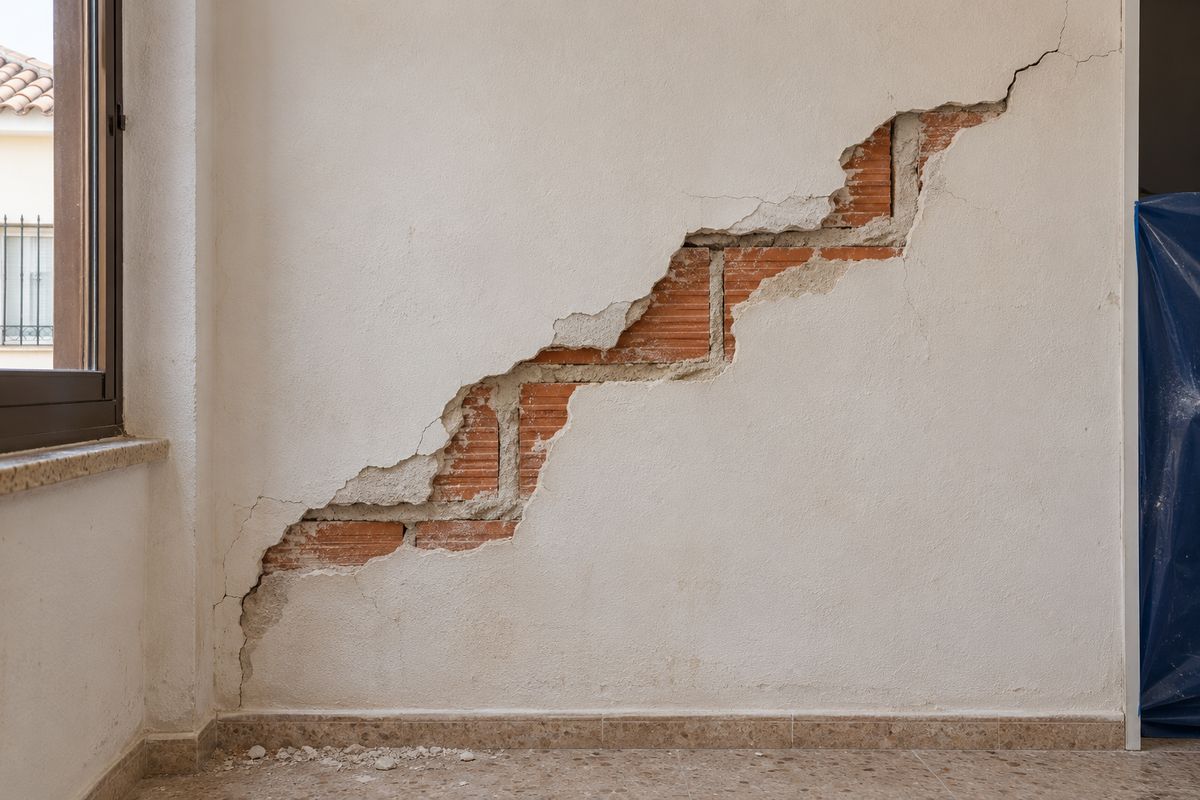
The first rule is not to let time pass.
An expert in building pathology should inspect the property, establish the cause of the damage, how serious it is and what it will cost to repair, and set it all out in an expert report. With that report, those responsible are formally asked to put things right and, if they do not respond, the case goes to court.
At DPCON, expert architects and specialist lawyers work together, so we support our clients from the first inspection through to the judgment.
Types of construction defects
The LOE distinguishes three main types of construction defects, each with its own guarantee period: those affecting the structure of the building, those affecting its habitability, and defects in the finishes.
Identifying the right type is essential, because it determines the time limit for claiming and who can be required to carry out the repairs.
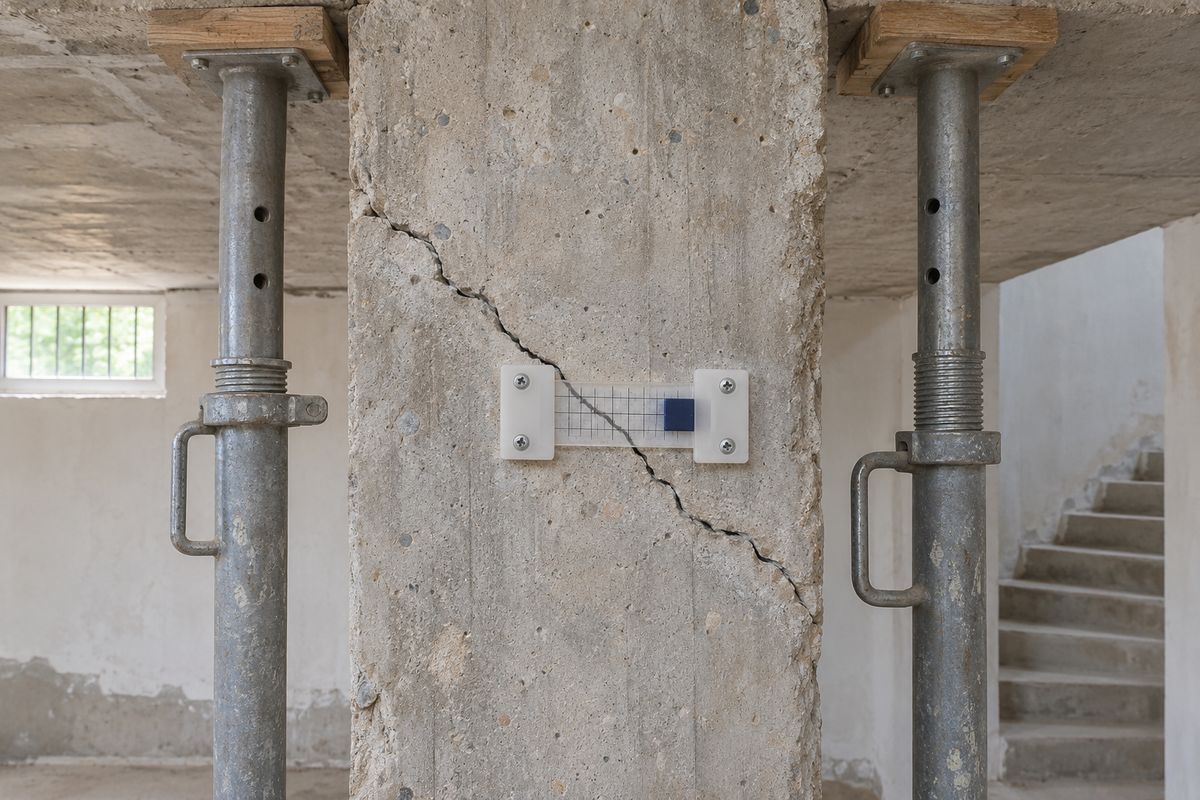
Structural damage
Cracks, differential settlement, foundation problems and design defects. 10-year guarantee.
Not sure what type of damage you have?
Construction defects in homes
If you have bought a newly built home and defects appear, the claim is normally brought against the developer, who is always liable to the buyer, and against whoever caused the damage: the building contractor, the architect or the site manager.
It is important to gather the purchase documents (title deed, contract, specifications and plans) and to take dated photographs of the damage from the very beginning. In detached houses and self-build projects, the geotechnical survey and the design should also be reviewed, as many defects originate at that stage.
If the home is second-hand, you can still claim under the LOE while the guarantee periods are running, because the law protects subsequent owners too. Against the seller, you may also have a claim for latent defects.
Construction defects in buildings and communities
When defects affect communal areas —façades, roofs, garages, downpipes or gardens— or are repeated in many homes, the claim is usually brought by the homeowners’ association. To do so, the owners’ meeting must agree to start the claim and authorise the president.
The courts accept that the president can also claim for damage inside the individual homes when it has a common cause, which speeds up the process and spreads the costs among all the owners. The property administrator usually coordinates the paperwork and the expert’s visits.
In buildings, the expert report must cover the communal areas and a representative sample of homes, to prove that the damage is widespread and to quantify the total cost of the repairs.
Time limits for claiming construction defects
The LOE sets a different guarantee period for each type of damage:
10 years
For structural damage affecting the foundations, columns, beams, floor slabs or load-bearing walls (article 17.1.a).
3 years
For habitability damage: damp, leaks, cracks, thermal or acoustic insulation and installations (article 17.1.b).
1 year
For defects in finishes, for which the building contractor is liable (article 17.1, last paragraph).
These are guarantee periods: the damage must appear within them. Once it appears, you have 2 years to bring legal action (article 18 LOE).
Against the developer who sold the property, there is also a contractual liability claim under the Civil Code, with a five-year time limit, which in many cases makes it possible to claim for defects no longer covered by the LOE. If you are unsure whether your case is still within the time limits, find out when it is worth making a claim, or contact us directly.
Who is liable for construction defects?
The LOE divides liability among the parties involved in the construction according to the cause of the damage:
The developer
Is liable to the buyers in all cases, together with the other parties.
The building contractor
For damage caused by poor workmanship, by its subcontractors and by the materials it uses.
The designer
For errors in the project.
The site management team
Works director and site manager, for failing to control and supervise the works.
The insurer providing the 10-year structural insurance
For structural damage in homes.
When the cause cannot be attributed to a single party, or several causes combine, liability is joint and several. That is why the expert report is decisive: it identifies the cause of each defect and, with it, who the claim should be brought against.
Construction defects in your home or building?
Expert architects and specialist lawyers. We analyse your case and tell you, with facts, whether a claim is worth pursuing.